Trust, but...

There’s a Russian proverb: “Doveryai, no proveryai.”
You might know it better as “trust, but verify,” but it rhymes in Russian, which gives it more of a poetic gravitas.
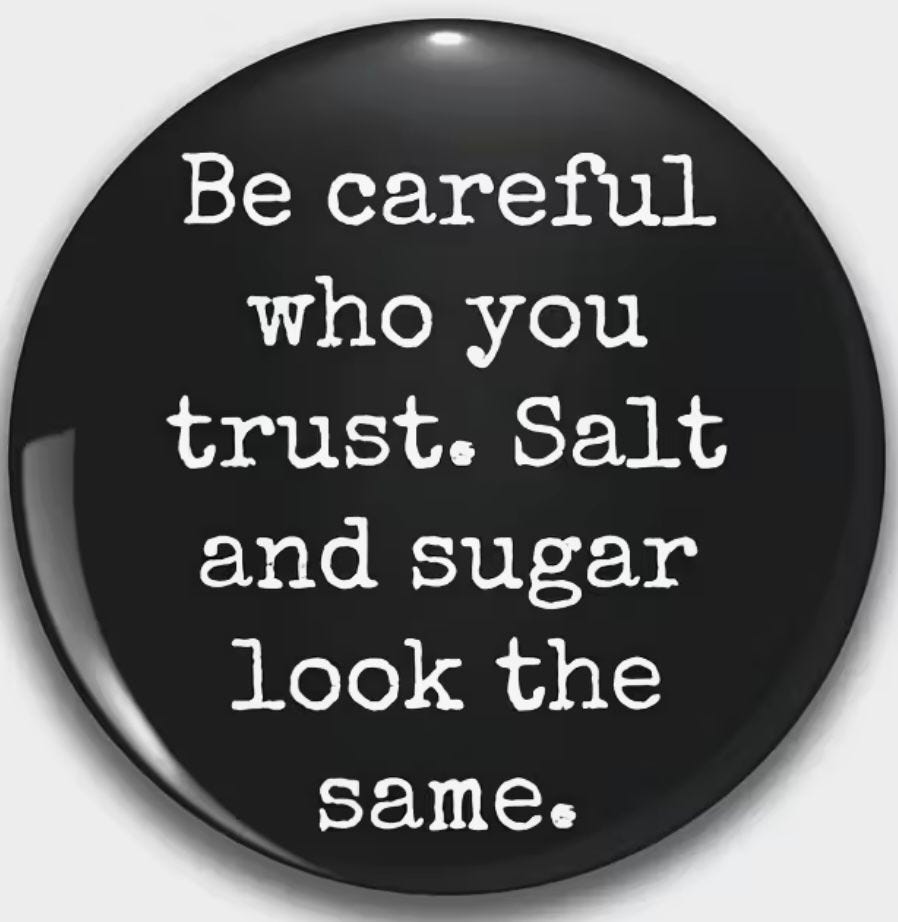
To build effective teams, we need to empower our people. When we give them each a “piece of our power” to wield, we need to trust them with that power. But there is a balance point with that trust—they need to earn it, and we should not blindly assume they are always doing the right things with it.
Set your expectations and establish guard-rails. It’s appropriate for your team members to use their company credit cards for business travel expenses, but not acceptable for them to use them to pay for their new jet ski. That should be clarified—don’t assume people just know things like that, even when they seem like they should be pretty obvious to us. For example, some people have filled up their Starbucks or Dunkin rewards card from their company credit card (since they sometimes buy coffee for work), not thinking that it was inappropriate. Or they have the business card as the payment method for their Lyft or Uber account, and then also use the ride service for personal trips.
Many times this kind of use is accidental, so a fair way to let people know the boundary for genuine corporate use is to explain the process for reimbursing the company if it happens. But explaining the process for making things right clarifies where the right/wrong line is.
In addition, honest communication is a requirement for giving people your trust. Let people know that it is NEVER okay to lie to you. But also let people know that you are counting on them to speak up when there is a problem, and not just stay silent and keep their head down, hoping no one will notice. Consider explanations like: “If you don’t tell me, I’m flying blind,” or “I need your help. I’m counting on you to keep me in-the-loop,” or “Everyone makes mistakes. When you do, please let me know what happened and what you plan to do to work to make it right. I might be able to suggest a better way to fix it.”
Trust works best when it is built mutually. Be a role model for your team. Be worthy of their trust.
(image source: pin.it/6L7dJuUET)