Integrity

As leaders, we need to act with integrity. Walk the walk and be a role model for the standards you want your people to emulate.
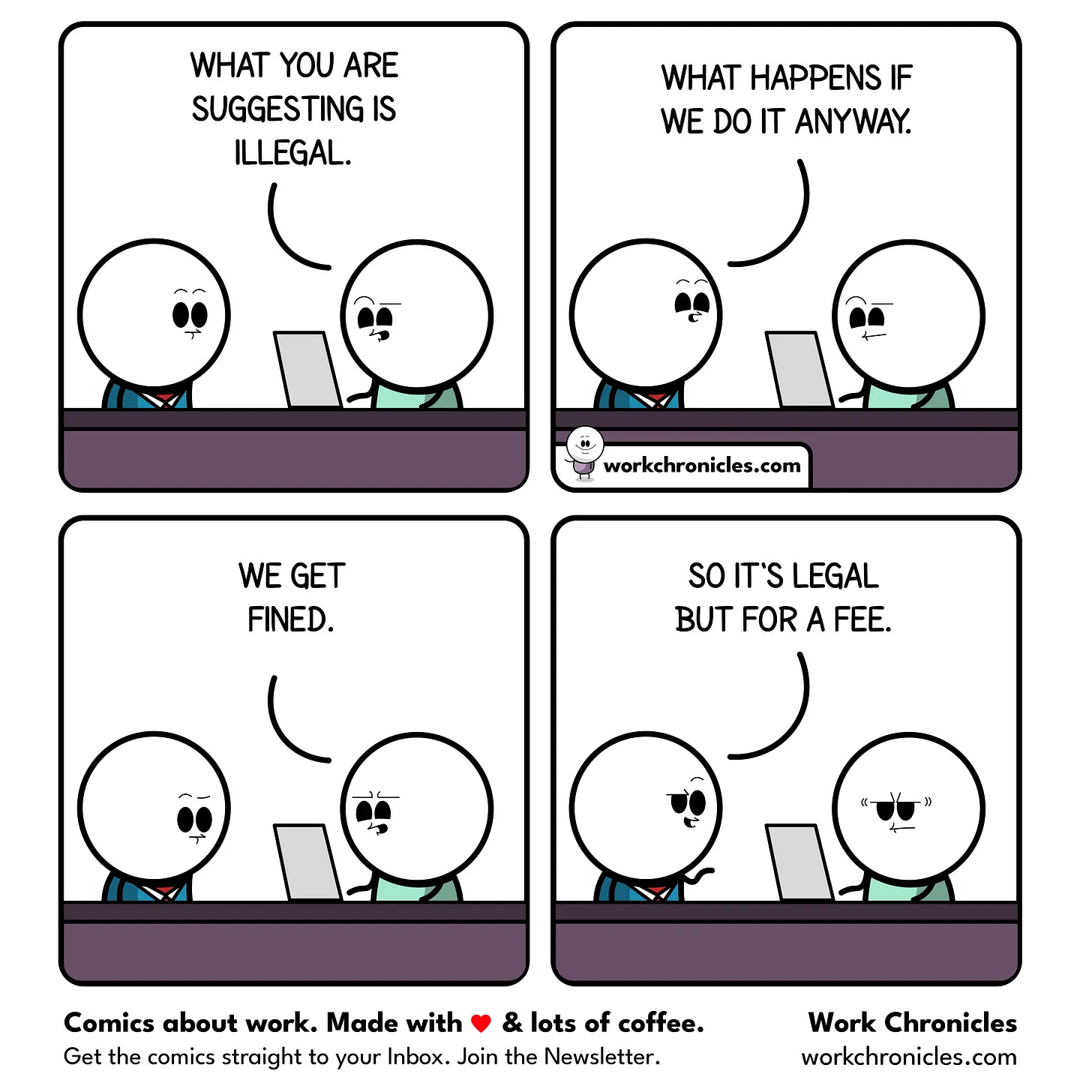
We also may need to deal with issues of integrity on our teams.
Make sure that your people know what the rules and standards are. Communicate these clearly.
Give people training for how to do things properly, and give them ways to seek advice or help if they need it. Some people do the wrong thing because they don’t know how or why to do it correctly, such as padding a timesheet. Others might do the wrong thing because they feel trapped, such as back-dating a document they forgot to submit in time.
Deal promptly with problems before they become crises. If possible, talk to each person involved privately (or with someone from HR there, as well, if appropriate) and get all sides and perspectives, so you have all of the information.
Don’t play favorites. Rules should be enforced equally—it’s not acceptable to discipline one staff member for a behavior but give your buddy a pass if they do the same thing.
Document, document, document. Stick to the facts. Make sure that you keep notes or records to protect yourself, your team members, and your company if things escalate.
Keep informed and stay in-the-loop. Things can go off-the-rails if we are not paying attention.
In some situations, you might choose to give someone a second chance. Make sure they have the supervision they need to do better. And if they demonstrate lapses in integrity again, don’t give them a more chances. Remember, the stuff you know about is just the stuff you know about—they might be doing other things that create legal exposure or even put people into harm’s way. Protect the rest of your team, your clients, and your company.
(image source: open.substack.com/pub/workchronicles/p/comic-break-all-the-rules-38e)